

Account aging is how long an account has sat idle after registration without any activity. It's measured in days and years: "90+ days aged," "account created 2023," "aged since 2022." The longer the account has been dormant, the higher its trust score with the platform.
This isn't a ban or a problem. It's a commodity. Buyers specifically purchase aged accounts because time builds credibility in Facebook's eyes. A fresh account registered yesterday has zero history. An account that's been sitting untouched for a year has something that can't be rushed: platform trust.
Why Platforms Value Age
Facebook farm accounts and other ad accounts operate under algorithmic scrutiny. New accounts trigger more checks. They hit spending limits faster. They get flagged for verification more often. An account that's been around longer, even if completely inactive, carries less immediate risk in the platform's risk model.
Age signals stability. It suggests the account belongs to a real person or business that's been present on the network, even if dormant. A two-year-old account that suddenly starts running ads looks less suspicious than a week-old account doing the same thing.
How Aging Affects Your Workflow
Aged accounts come with higher initial spending limits. You won't hit the cap as quickly when you're scaling campaigns. They pass through moderation checks with fewer friction points. They're less likely to trigger the verification requests that kill your timeline.
For arbitrage, this means faster scaling and fewer interruptions. For buyers running multiple campaigns simultaneously, aged accounts let you push volume without constantly rebuilding trust with the platform.
What You're Actually Paying For
When you buy an aged account, you're paying for time you didn't have to wait. You're buying the trust that accumulates just from existing on the platform. That's why aged accounts cost more than fresh autoreg accounts. The price difference reflects the days or years already invested.
An account aged 90+ days costs more than a 30-day account. An account from 2022 costs more than one from 2024-2025. The longer the dormancy period, the higher the price—because you're skipping the waiting period entirely.

Aging vs. Warming
Don't confuse account aging with account warming. Aging is passive: the account just exists without activity. Warming is active: you run sessions that simulate real behavior—logins, interests, feed scrolling, viewing ads, adding friends. You might buy a 90+ day aged account and then run 20+ warming sessions on it to prepare it for campaigns.
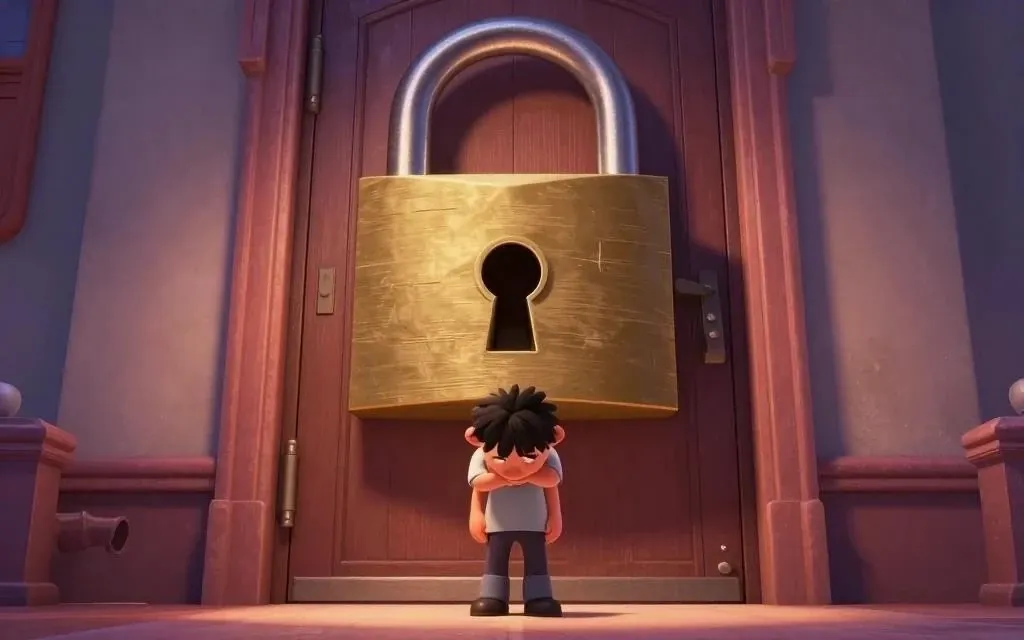
Aged accounts need warming before heavy ad spend. Warming bridges the gap between "old but dormant" and "ready for campaigns." An aged account without warming still carries risk when you suddenly start pushing traffic through it.
Where Age Matters Most
Age matters when you're running high-volume campaigns or working in competitive niches. If you're testing with small budgets, a fresh account works fine. If you're scaling to thousands per day, an aged account with built-in trust saves you time and prevents early-stage blocks.
Age also matters if you're running multiple accounts simultaneously. Platforms notice patterns. Aged accounts mixed into your rotation look more natural than a fleet of brand-new registrations all launching campaigns on the same day.
Choosing the Right Aging Period
| Aging Period | Best For | Trade-off |
|---|---|---|
| 30 days+ | Small budgets, testing | Lower cost, more moderation checks |
| 90+ days | Medium scaling | Balanced cost and trust |
| 2022 and older | High-volume campaigns | Higher cost, maximum trust |
Newer accounts work for testing creatives and landing pages. Mid-aged accounts handle consistent scaling. Older accounts absorb heavy spending without friction. Match the aging period to your campaign size and timeline.
What Aging Doesn't Do
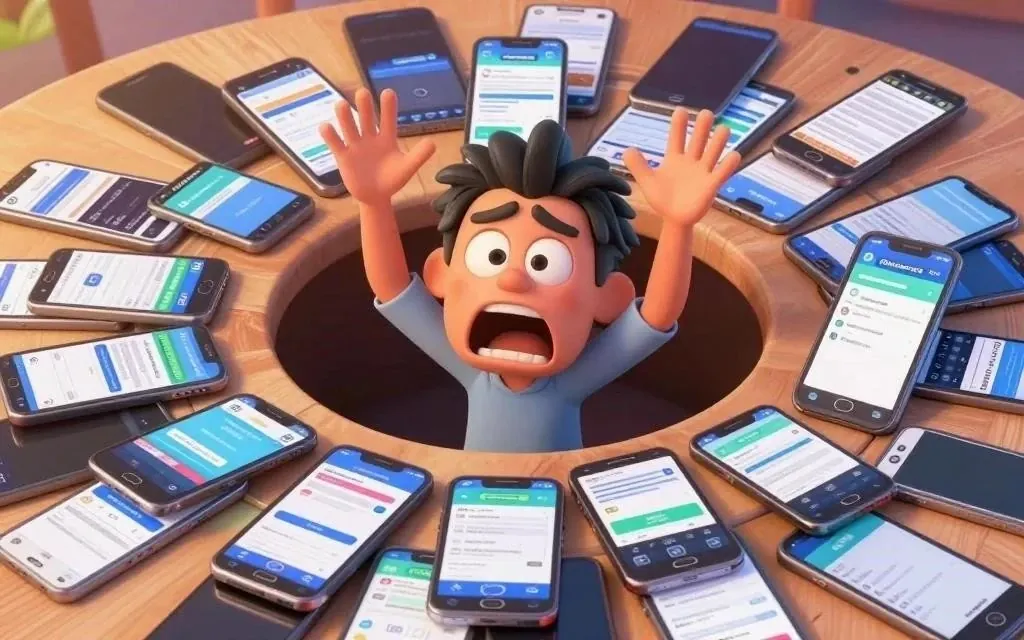
Account aging doesn't guarantee approval. It doesn't prevent bans if you violate policies. It doesn't make a weak creative perform better. It only reduces friction during the early stages of ad delivery and moderation.
An aged account running against community standards will still get disabled. An aged account with poor targeting will still waste budget. Aging handles the platform's trust layer—it doesn't fix campaign strategy or creative quality.
Buying Aged Accounts
When you're looking at our catalog, check the aging period in the product description. You'll see formats like "FARM 30дн+ | +Отлега +2FA" or "Аренда 2022 год и старше." The year or day count tells you exactly how long the account has been dormant.
Older accounts cost more because they've already done the waiting. If you have time to wait, buy newer. If you need to launch immediately, buy aged. The price reflects the time value you're purchasing.
Pair aged accounts with proper warming and the right prox setup for your geos. Age alone isn't enough—it's one layer of a working account stack. Browse our aged Facebook farm accounts and find the aging period that matches your campaign timeline and budget.