
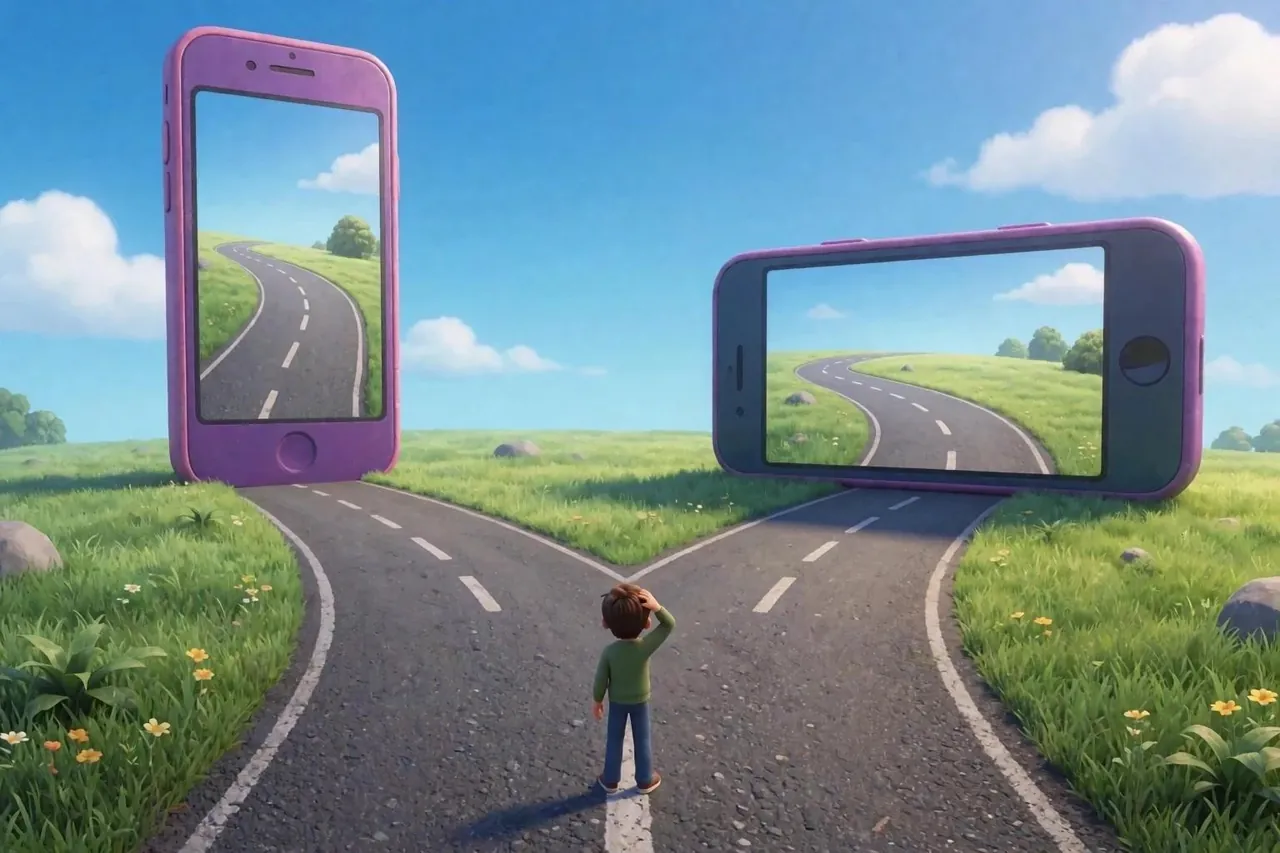
Why the Choice Matters
The platform that converts better is the one where your vertical's buyers already are: Facebook suits broad, direct-response offers and older audiences, while Instagram suits visual, lifestyle and brand-driven offers aimed at younger buyers. Pick wrong and you waste budget on people who were never going to buy.
A dropshipping offer can work on Facebook and flatline on Instagram; a coaching program can do the opposite. If you run Instagram ads through Facebook Ads, moderation and ad account limits work the same way as on Facebook. The real differences are audience, placements, creative and how much trust your accounts carry.
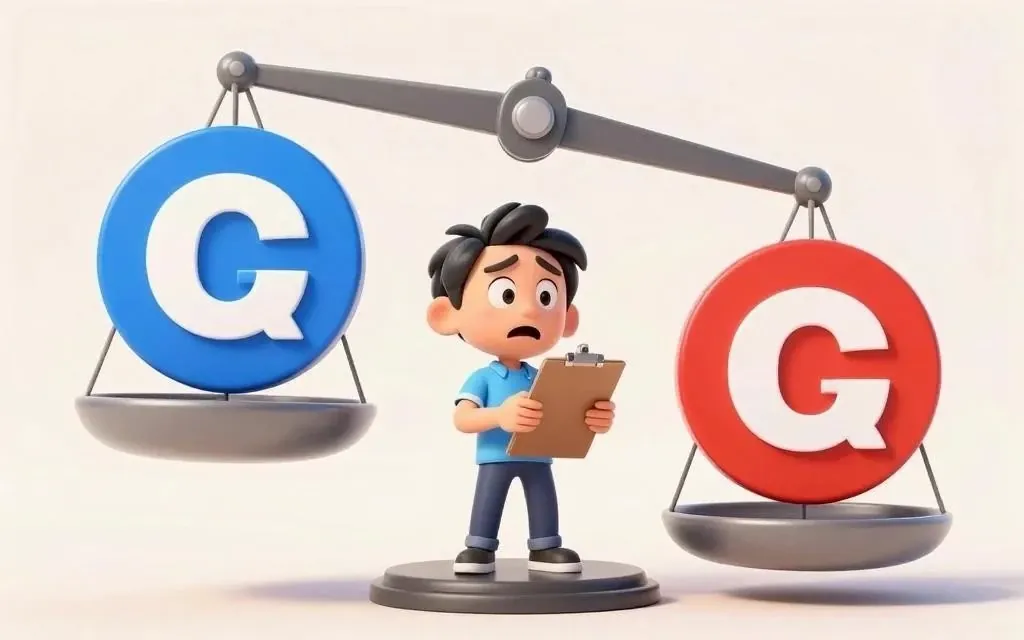
Facebook: Volume and Flexibility
Facebook is the stronger choice for broad audiences and scaling. Targeting is wide, there is room to rotate many creatives, and accounts with history hold higher spend.
Facebook works best for:
- Broad-appeal offers: weight loss, general dropshipping, dating services, betting. Audiences are large and varied.
- Lower-ticket items: buyers don't need a polished visual story to click and buy.
- Older audiences: people who read descriptions, watch videos and compare before buying.
- Repeat buyers: retargeting works, and people often convert after seeing your ad more than once.
The downside: Facebook audiences are saturated in many geos, so you need steady creative rotation and testing. Push a fresh account hard and it gets banned faster. That's why farmed accounts with built-in trust such as FARM 30d+ | +aged +2FA, or KING PZRD, make sense for scaling: they live longer under pressure. Even then, a Facebook account needs warming up before launch — 20+ sessions of natural activity.
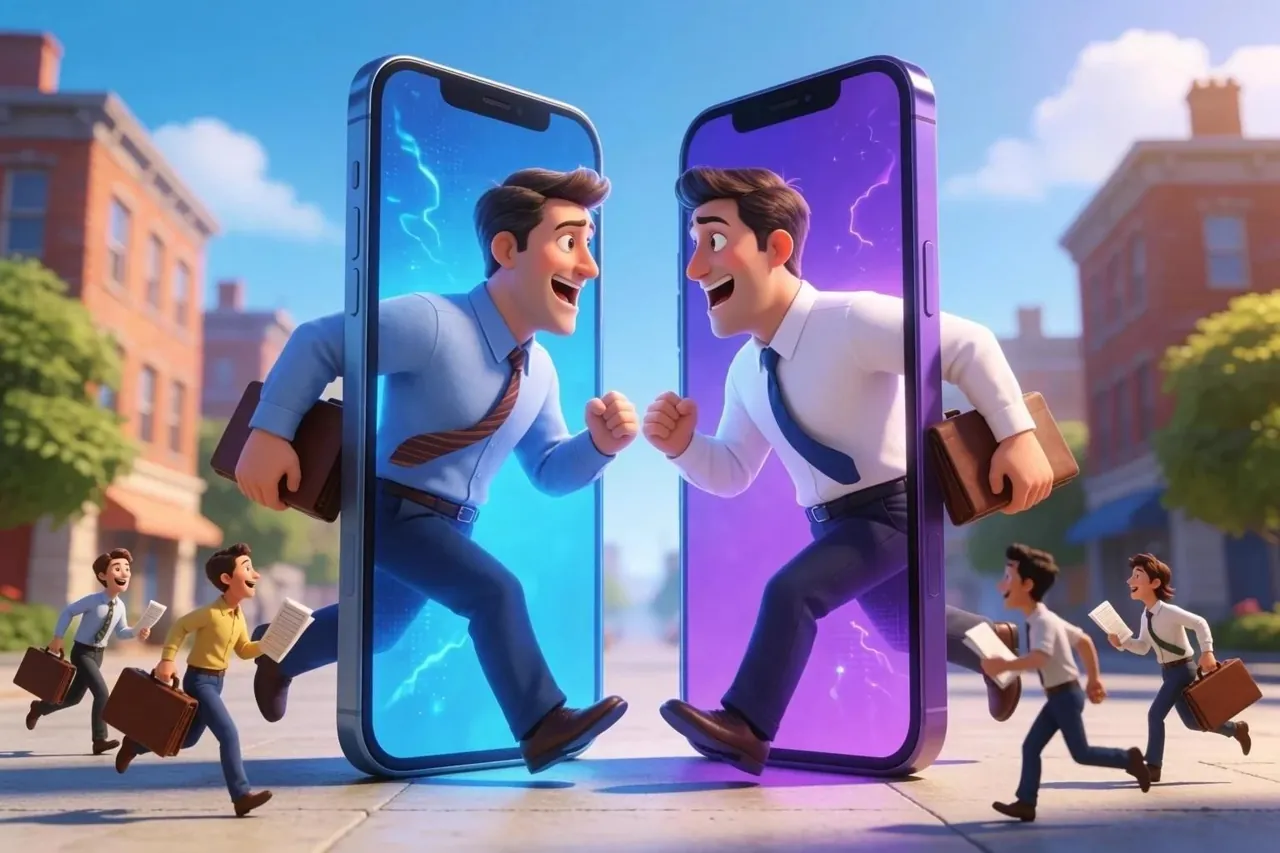
Instagram: Niche and Visual Sell
Instagram works when your offer is visual and your audience is specific. People scroll Instagram to discover, not to solve problems, so your ad has to land as content rather than as a pitch.
Instagram performs better for:
- Premium offers: luxury goods, coaching, courses, supplements. Users expect quality visuals and lifestyle messaging.
- Brand-building verticals: beauty, fitness, fashion, wellness. The platform is built for aspirational content.
- Younger audiences: Gen Z and millennials spend more time here; older buyers are mostly on Facebook.
- Niche communities: specific interests often convert better than broad targeting.
Instagram accounts are cheaper to start with and get to work faster, but under heavy spend they burn out sooner than aged Facebook accounts, so they fit tests and smaller volumes best. The audience is pickier too: blurry or low-effort creative dies immediately, and Reels are now the main format. Before you buy, learn how to read Instagram account listings so you get the setup your work needs.

Direct Comparison by Metric
In short, Facebook wins on reach and scaling, Instagram wins on visual offers, younger audiences and cheap tests.
| Metric | ||
|---|---|---|
| Audience | Large, broad, skews older | Smaller, more niche, skews younger |
| Ad costs | Vary by geo; higher where audiences are saturated | Vary by geo and placement; Reels can cost more |
| Creative demands | Lower — text and basic images work | High — needs polished visuals and video |
| Account lifespan under heavy spend | Longer with aged or farmed accounts | Shorter; better for tests and smaller volume |
| Best for | Scaling, broad and lower-ticket offers | Premium offers, brand verticals, creative tests |
How to Decide: Three Questions
Answer three questions — is the offer visual, how big is the budget, and who is the customer — and the choice usually becomes obvious.
Is your offer visual? If you're selling a service or a digital product with no clear image, Facebook wins. If you're selling a lifestyle or physical product that looks good, Instagram works better.
What's your budget? A small budget and quick tests fit Instagram accounts, which are cheaper to start. A large budget calls for aged Facebook accounts, where limits grow predictably.
Who's your customer? Research where they actually are. An older borrower looking for a loan scrolls Facebook; a young fitness fan scrolls Instagram. Your offer's natural audience matters more than platform features.
Running Both: The Hybrid Play
If you can't tell which platform fits, test both in parallel. Buy a mix of Facebook and Instagram accounts, run the same offer with creative adapted to each platform, and compare results for your vertical and geo.
Use Facebook for volume and scaling. Use Instagram accounts to test creative angles and as a backup channel when Facebook gets tight.
To scale, invest in accounts with history: fresh autoregs die fast under pressure on either platform.
What to Avoid
The most common mistakes are choosing by personal habit, underestimating Instagram, reusing one creative everywhere and skimping on account quality.
Don't pick based on what you use personally. You're not the customer. Your habits don't predict where your offer sells.
Don't assume Instagram is easier because it looks simpler. Creative has to be better, and there's less room for weak ads.
Don't run the same creative on both platforms. Facebook audiences respond to direct, benefit-driven copy. Instagram audiences want lifestyle and storytelling. Same offer, different message.
Don't ignore account quality. A burned or poorly set-up account wastes budget on either platform. Buy accounts with proper aging or farming history, enable 2FA and run them through mobile or residential proxies.
Next Step
Pick the platform by your offer and audience, then test it with accounts that have history: FARM 30d+ | +aged +2FA for volume on Facebook, Instagram accounts for niche, visual-first audiences or cheap creative tests.
FAQ
Is Facebook or Instagram better for advertising?
It depends on your vertical. Facebook suits broad and lower-ticket offers, older audiences and scaling; Instagram suits visual, premium and brand verticals with younger audiences.
Is advertising on Instagram cheaper than on Facebook?
Not by default. Costs vary by geo, placement and competition, and Reels can cost more. Instagram accounts themselves are cheaper to start with, but the creative takes more work.
Which accounts last longer under heavy ad spend?
Aged or farmed Facebook accounts such as FARM 30d+ | +aged +2FA. Instagram accounts burn out sooner under heavy spend and fit tests and smaller volumes.